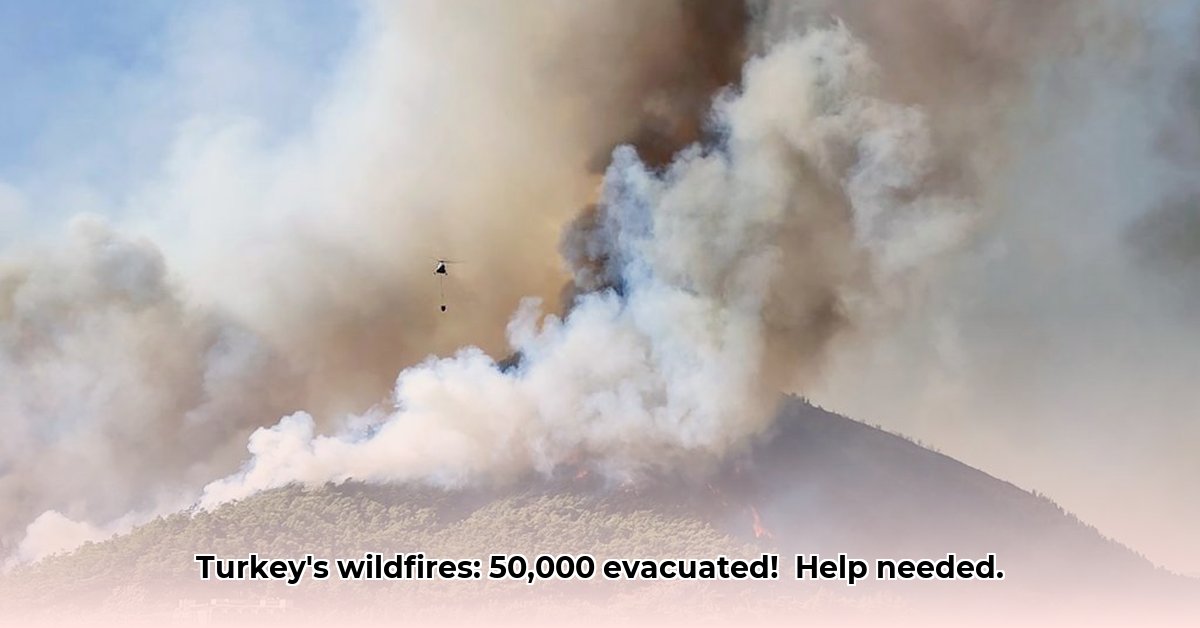
Turkey's Wildfires: A Nation in Crisis
More than 50,000 people have been forced from their homes by devastating wildfires currently raging across several Turkish provinces, including Izmir, Manisa, Hatay, and Mersin. Strong winds have fanned the flames, turning what were already serious blazes into a major multi-provincial crisis. Homes have been destroyed, livelihoods shattered, and the full extent of the devastation is still unfolding. The immediate impact is catastrophic, but the long-term consequences will be even more challenging. How can Turkey best respond to this crisis, and what lessons can be learned for the future?
Immediate Impact: A Race Against Time
Firefighters are battling the blazes around the clock, displaying incredible courage and resilience. However, the fires continue to spread rapidly, fuelled by strong winds. The immediate needs are immense: thousands are displaced, many losing everything. Emergency shelters are overflowing, and the provision of food, water, clothing, and medical care is of paramount importance. This immediate crisis demands an urgent and coordinated response. How many homes have been lost? How many people have been injured and/or killed? Accurate details are still emerging due to the chaos, highlighting the urgent need for clearer communication.
Ongoing Challenges: Uncertainty and Gaps in Support
The precise number of casualties and the extent of property damage remain uncertain. Communication lines in affected areas have been disrupted, creating significant challenges for coordinating effective relief efforts. This lack of information hampers the ability to deliver aid efficiently and accurately gauge the scale of the humanitarian crisis. Are current emergency response systems adequate to handle this level of devastation? Could earlier interventions have made a difference? These are critical questions that require thorough investigation.
Analysis and Context: Climate Change and Systemic Weaknesses
Experts suggest the intensity and rapid spread of these wildfires are partly due to the escalating effects of climate change. Rising temperatures and increasingly erratic weather patterns are creating tinderbox conditions, raising serious concerns about the resilience of Turkey's infrastructure in the face of extreme weather events. Is Turkey adequately prepared for the increasing frequency and intensity of such events? What investments in preventative measures are necessary? This disaster underscores the urgent need for investing in early warning systems and sustainable land management practices.
Long-Term Recovery and Prevention: A Path Forward
The recovery process will be lengthy and complex, demanding a multi-faceted approach involving government agencies, international organizations, and local communities. Key steps include:
- Emergency Relief: Immediate provision of essential supplies (food, water, shelter, medical care) to displaced populations.
- Rebuilding Infrastructure: Reconstruction of homes and essential services in affected areas.
- Improved Emergency Response: Strengthening coordination and communication within emergency response systems.
- Community Engagement: Active participation of affected communities in the recovery and rebuilding process.
- Climate Change Adaptation: Investing in climate-resilient infrastructure and land management practices to mitigate future risks.
- International Collaboration: Seeking support and best practice sharing from international agencies.
The wildfires in Turkey serve as a stark reminder of the devastating impact of climate change and the importance of proactive disaster preparedness. The scale of this crisis demands a concerted effort from all stakeholders to ensure both immediate relief and the development of long-term strategies to mitigate future risks. Only through coordinated action can we hope to lessen the impact of such devastating events in the future. Are these strategies sufficient, and are they being implemented effectively enough? The answer to this question will determine the difference between responding to a crisis and proactively securing a more resilient future.